
Planning a low-tide beach walk safely

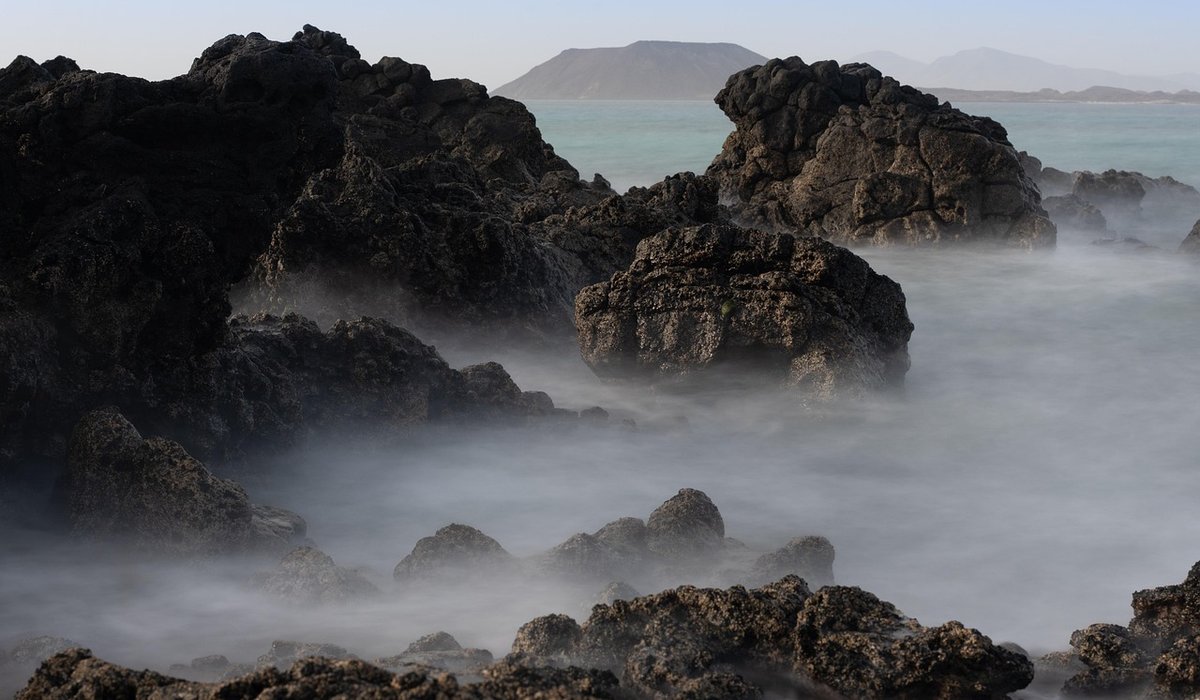
The tide is the whole plan
A low tide uncovers a country most people never see: rockpools crowded with beadlet anemones, ribs of old wrecks emerging from wet sand, black peat beds and drowned tree stumps left by forests that vanished thousands of years ago. It is also a country with a strict closing time, and no amount of local knowledge overrides the water. Treat the tide table as the first thing you check, never the last — route, footwear, timing and who knows where you are all hang off it.
The good news is that planning takes twenty minutes at the kitchen table and turns a nervous wander into a proper expedition. Here is how to do it well.
Reading a tide table properly
Look up the tide times for the nearest standard port, then adjust for your beach. Two places ten miles apart can differ by half an hour or more, and estuaries can differ by considerably more. Local harbour offices, printed tide tables and the tide clock nailed to a slipway wall are all worth trusting more than a glance at a generic forecast.
Times are only half the story. Check the predicted height, too:
- Spring tides expose the widest beaches and the most seabed, but the water returns faster and covers more ground. Big rewards, smaller margins.
- Neap tides leave less exposed, but the flood is gentler and easier to outwalk.
- A low of 0.3 metres is a very different afternoon from a low of 2.4 metres. The lower the number, the further out you can safely go — and the further you have to come back.
- Weather shifts everything. A strong onshore wind and low pressure can push water in early and higher; offshore winds can hold it back. Never rely on the wind to buy you time.
Choosing your window and your turning point
Work on the principle of walking out on the ebb and turning around at low water, not after it. That gives you the whole falling tide to explore and the whole rising tide to get home — generous, unhurried, and forgiving of a slow rockpool.
Before you set off, pick a fixed turning point you can see: a groyne, a slipway, a headland, a navigation marker. Then decide your escape routes. A beach you happily walked around at low tide can become a cliff-edged cove within two hours, and a sandbank that felt like open ground becomes an island. Look behind you as often as you look ahead, and ask yourself what the same view will look like with two metres more water in it.
If the tide does get between you and your exit, do not race it to a headland. Head for the highest dry ground you can reach, stay put and call for help.
Mud, sand and ground that isn't ground
Estuary mud is the real hazard on many British shores, particularly around the big sandy bays and the rivers that feed them. It is not the quicksand of adventure films — you cannot be swallowed whole — but you can sink to the waist, and cold, heavy mud makes every movement exhausting.
- Learn the look of it. Smooth, dark, unrippled patches between sandbanks are the warning sign. So is ground that glistens without reflecting properly.
- Tap ahead with a stick or walking pole. Poles with wide baskets spread your weight and give you something to lean on.
- If you do go in, stop struggling. Spread your arms, lean back or lie flat to spread your weight, and shuffle your legs free. Use a pole or your rucksack under your chest for support.
- Never cross mud alone, and never test it with your full body weight first.
Rocky shores, wrecks and the strandline
Rocky ground brings its own arithmetic: wet weed on granite is almost frictionless, and a rising tide fills gullies long before it reaches the sand. Wear footwear with real grip, keep hands free, and watch for the green tinge of algae on sloping rock.
This is also where the maritime heritage lives. Hulks rotting on the mudflats, old causeways, drowned forests and the occasional wreck timber are part of a working coast going back centuries. Enjoy them, photograph them, and leave them alone — removing material from a wreck or an archaeological site is both an offence and a loss to everyone else. If you find something unusual, note the location and report it to your county archaeologist or local museum.
For gardeners, the strandline is treasure: seaweed collected by hand from the tideline makes superb compost and mulch. Check local byelaws first, never cut weed from living rock, and avoid protected sites where the strandline belongs to the wildlife.
Before you go: tell someone, and know when to stop
Tell a person, not an app. Leave them your route, your entry and exit points, your expected return time and your car registration, and agree a time to text when you are back. If you are overdue and cannot be reached, they should dial 999 and ask for the Coastguard.
Carry a printed tide table, a charged phone in a dry bag, a whistle, a torch, water and sun protection. Check for red flags and range warning signs, which mean live firing or another closure. And build the good habit of turning back early: the coast will still be there next spring tide, and the best beach walk is the one you plan to repeat.

Joeby Ragpa
This template is so awesome. I didn’t expect so many features inside. E-commerce pages are very useful, you can launch your online store in few seconds. I will rate 5 stars.
ReplyAlexander Samokhin
This template is so awesome. I didn’t expect so many features inside. E-commerce pages are very useful, you can launch your online store in few seconds. I will rate 5 stars.
ReplyChris Root
This template is so awesome. I didn’t expect so many features inside. E-commerce pages are very useful, you can launch your online store in few seconds. I will rate 5 stars.
Reply