
Exploring the history of British harbour towns

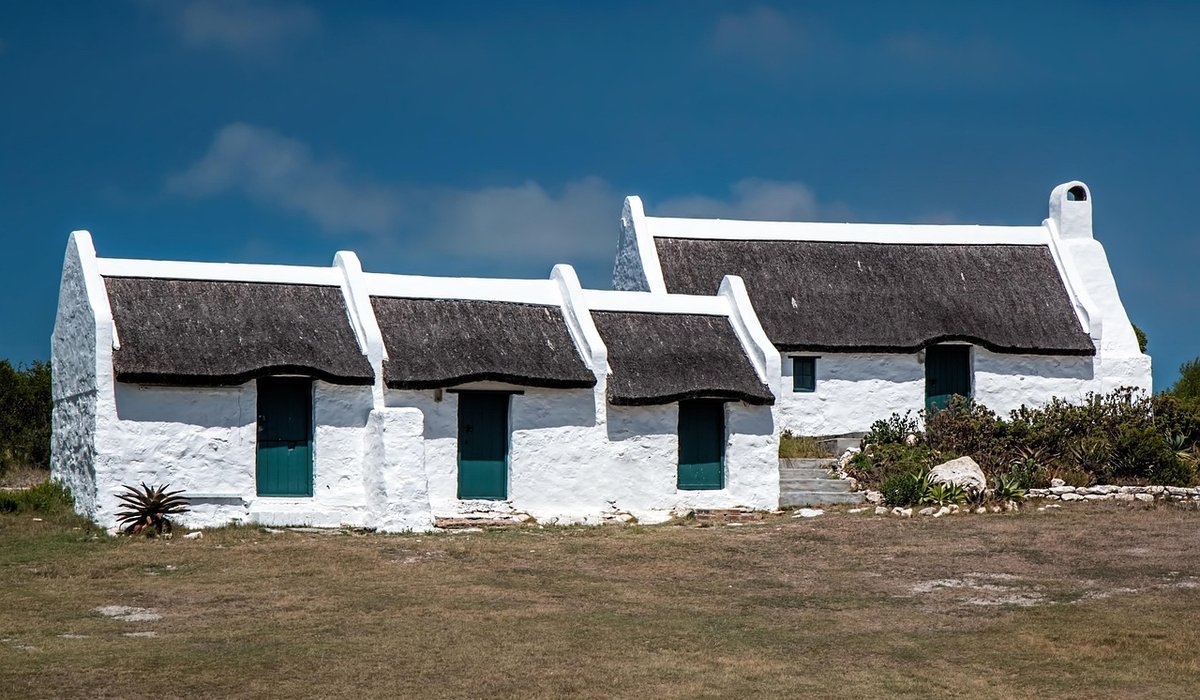
Walk the length of almost any British harbour town and you are treading a story that began with geography. A sheltered inlet, a river mouth deep enough for keels, a lee shore that kept boats off the rocks — these decided where settlements grew long before anyone drew a street plan. The town came second; the water came first.
Why the harbour came first
Fishing usually paid the first bills. Herring shoals moving down the east coast, pilchards off Cornwall, oysters in the Thames estuary, cod across the North Sea — each created its own architecture of cellars, curing sheds and quayside lanes. Trade followed, and with it wealth: coal shipped out of the north-east, slate from Wales, china clay from the West Country, timber and grain coming in. Shipbuilding grew alongside, from small yards turning out smacks and luggers to larger concerns building schooners and naval sloops.
Then the railways arrived, and some harbours reinvented themselves as resorts. That is why so many coastal towns show a Victorian promenade grafted onto a medieval quay, with a Georgian custom house stranded between the two.
- Look for street names that survive the trade: Fish Street, Strand Street, The Hythe, Salts Lane.
- Merchant houses often face the water with a counting house on the ground floor and family rooms above.
- Long, narrow strips of land behind the town are often the ghosts of roperies, where twine was walked out and twisted.
Reading the waterfront
The quickest way to understand a harbour is to read its buildings in order of function, starting at the water's edge.
- Quays and bollards. Granite setts, worn iron rings and capstans tell you where vessels actually moored, as opposed to where the modern pontoon sits. Rings polished thin by rope are a good sign of a genuinely old berth.
- Custom houses. Solid, symmetrical, usually with a fine view of the harbour mouth from the upper windows — officers needed to see what was arriving before it docked. Many now serve as libraries, museums or flats.
- Lighthouses and daymarks. Coastal lights were painted in distinctive patterns so mariners could identify them in daylight: a black band, a red stripe, a white tower with a coloured top. The pattern mattered as much as the light.
- Net lofts, ice houses and smokehouses. Tall narrow openings for hanging and drying nets, massively thick walls for storing ice, and a chimney you can smell from the next street.
- Almshouses and seamen's missions. Usually founded for the widows of drowned men, and often the best-kept buildings in town.
Making a coastal garden hold its ground
Gardening by the sea is a lesson in humility, then in cleverness. You are dealing with salt-laden wind, thin soil over rock or shingle, sharp drainage, summer drought and, in many places, ground that is alkaline from broken shell. Choose plants that evolved for exactly this and the garden looks after itself.
Establish shelter before you plant anything decorative. A semi-permeable windbreak — tamarisk, escallonia, griselinia, sea buckthorn or holm oak — filters wind rather than blocking it, which reduces the fierce eddies that a solid fence creates. Plant in tiers: thrift, sea campion and armeria at the front; lavender, rosemary, eryngium and hardy geraniums in the middle; taller grasses and shrubs behind.
- Sea kale (Crambe maritima) has handsome blue-grey leaves and is genuinely happy in shingle.
- Terracotta dries out fast in wind; glazed or frost-proof containers hold moisture far better.
- Seaweed makes an excellent mulch, but rinse it well first to wash off excess salt, and spread it thinly.
- Collect rainwater — mains water plus salty spray plus free-draining soil is a punishing combination.
- Skip high-nitrogen feeds. They produce soft growth that the first gale shreds.
Repairing old stone without fighting the sea
Harbour walls and cottages were built to breathe. Repointing with cement traps moisture inside the wall, salts crystallise, and the stone face spalls off. Use lime mortar — lime putty or a natural hydraulic lime — matched to the strength and colour of the original, and work in autumn when drying is slow and even. Never rake out more of the joint than you need to.
Ironwork responds well to routine: wire-brush bollards, railings and chains, apply a zinc-rich primer, then a topcoat. A yearly wash down with fresh water removes the salt that drives corrosion. And leave the lichen alone — it is part of the patina and helps shed water from old stone.
Getting involved, and visiting well
Maritime heritage survives because people turn up for it. Local archives are always short of volunteers to catalogue harbour records, logbooks and photographs. Oral history projects need people to sit with retired fishermen, boatbuilders and ferrymen and record what they remember — the names of boats, the marks on the seabed, the tricks of a tricky tide.
Practical skills matter too. Courses in clinker boatbuilding, net making and sail repair keep knowledge alive, and coastal path groups always welcome help with clearance and step repair.
When you visit, go out of season and spend in the town rather than the car park. Buy fish from the quay, ask at the harbour office which boats are working, and stay in a converted net loft or sail loft if you can. You will learn more about a harbour town in one damp November morning than in a fortnight of August. And take a notebook — the best details are the ones that are still in use.

Joeby Ragpa
This template is so awesome. I didn’t expect so many features inside. E-commerce pages are very useful, you can launch your online store in few seconds. I will rate 5 stars.
ReplyAlexander Samokhin
This template is so awesome. I didn’t expect so many features inside. E-commerce pages are very useful, you can launch your online store in few seconds. I will rate 5 stars.
ReplyChris Root
This template is so awesome. I didn’t expect so many features inside. E-commerce pages are very useful, you can launch your online store in few seconds. I will rate 5 stars.
Reply