
Making elderflower cordial in coastal hedgerows

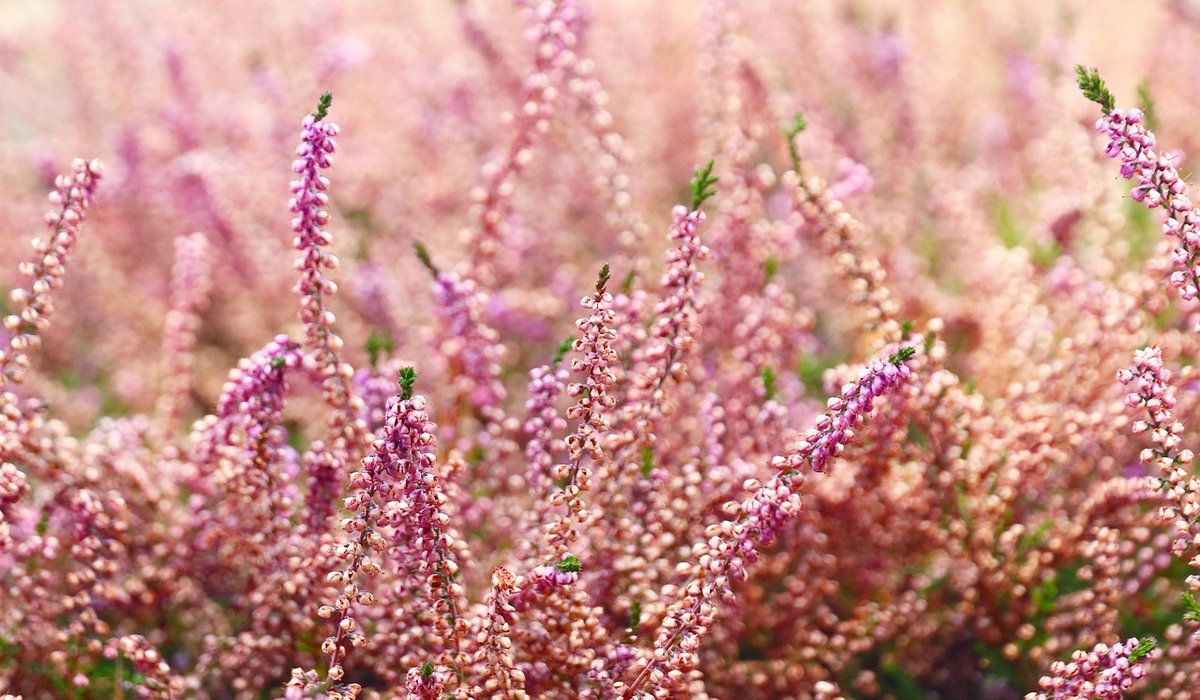
Elderflowers by the sea: a coastal harvest
There is a particular pleasure in walking a coastal lane in early summer, when the hedge on your left is thick with cow parsley and the air on your right still carries a tang of salt. Somewhere along that lane, usually where the ground is a little damper and the light a little softer, you will find elder. Its creamy, flat-topped flower heads appear from late May into June, later the further north you travel, and they are the beginning of one of the most refreshing drinks in the British larder: elderflower cordial.
Coastal hedgerows are worth seeking out. Salt-laden winds keep elder compact and bushy, and the flowers often carry a clean, citrus-sharp perfume that makes a particularly fine cordial. The plant is a familiar sight along field boundaries, churchyard walls and old lane verges, and it has been used in coastal communities for centuries — in preserves, in country wines and in folk remedies for coughs and colds. Hedgerows near the coast often mark old parish boundaries and field systems, so foraging here is a small way of reading a landscape shaped by farming and seafaring alike.
Where to pick, and where to leave well alone
Elder, Sambucus nigra, is generous but not indiscriminate. Look for it in sunny, sheltered spots along hedgerows, on the edge of woodland and beside old walls. In coastal areas it often grows on the landward side of sea walls and along lanes a little inland from the shore. You want flower heads that are fully open, creamy white and dry — ideally picked on a sunny morning after a dry night, when the fragrance is at its strongest.
Leave alone:
- Flowers growing within a few metres of a busy road, where exhaust fumes and dust settle on the blooms.
- Any head that is brown, wilted or already turning to berry.
- Elder on unstable cliff edges or steep, crumbling slopes.
- Plants in protected nature reserves, or on private land without permission.
Take only a few heads from each bush — no more than a quarter or a third — and leave plenty for the birds, bees and butterflies that rely on the later berries.
Foraging with care: roads, cliffs and wildlife
Foraging is one of the quietest ways to enjoy the coast, but it asks for common sense. Coastal paths and cliff tops are beautiful and genuinely dangerous. Stay back from the edge, avoid loose ground after rain, and never scramble down a slope for a flower head. A cordial is not worth a broken ankle.
Traffic is the other hazard. Narrow lanes with no pavement are common near the coast, and it is easy to become absorbed in the hedge and forget to listen. Wear something bright, walk facing the traffic where you can, and keep dogs and children close. If a verge is regularly sprayed or cut by the council, leave it be.
Respect the land, too. Ask before picking on private ground, close gates behind you, and take your litter home. Ground-nesting birds, basking lizards and small mammals all use hedgerows, so tread lightly and leave the hedge healthier for next year.
From hedgerow to kitchen: the steep
The cordial itself is simple, and the quantities below make about two litres. You will need:
- About 25 to 30 elderflower heads, freshly picked and gently shaken to remove insects
- 1.5 kg white granulated sugar
- 1.5 litres water
- 2 unwaxed lemons, zest pared and juice squeezed
- 1 unwaxed orange, zest and juice
- 50 g citric acid, from a chemist or home-brew shop
Bring the water and sugar to the boil in a large pan, stirring until the sugar dissolves, then take it off the heat. Add the citrus zest and juice, the citric acid and finally the elderflower heads, pressing them gently into the liquid. Cover and leave to steep somewhere cool for 24 to 48 hours. The longer you leave it, the stronger the flavour — but beyond 48 hours it can turn slightly bitter, so taste as you go.
Strain through a double layer of muslin or a clean tea towel, then pour into sterilised bottles. Citric acid helps preserve the cordial but is not a substitute for refrigeration. Keep opened bottles in the fridge and use within a few weeks.
Bottling, storing and serving
A splash of cordial in chilled still or sparkling water is the classic summer drink, but it is far more versatile. Try it:
- Over crushed ice with mint and a slice of cucumber
- Stirred into a gin and tonic or a dry white wine spritzer
- Drizzled over vanilla ice cream or a simple sponge
- Frozen into ice cubes or lollies for hot afternoons
For longer storage, freeze the cordial in plastic bottles, leaving a little headroom for expansion. It keeps for up to a year and thaws quickly. Label each bottle with the date and the place you picked — a small habit that turns a drink into a record of a particular lane and a particular summer.
A maritime tradition worth keeping
Elderflower cordial is not a new fashion. Coastal families have made it for generations, alongside elderberry wine, rosehip syrup and sloe gin, using what the hedgerows offered between the mackerel and the harvest. Keeping that habit alive is a gentle act of heritage as well as good husbandry.
So take a basket, choose a quiet lane and pick with care. The result tastes of early summer and salt air — and is a small reminder that the coast rewards those who walk it slowly.

Joeby Ragpa
This template is so awesome. I didn’t expect so many features inside. E-commerce pages are very useful, you can launch your online store in few seconds. I will rate 5 stars.
ReplyAlexander Samokhin
This template is so awesome. I didn’t expect so many features inside. E-commerce pages are very useful, you can launch your online store in few seconds. I will rate 5 stars.
ReplyChris Root
This template is so awesome. I didn’t expect so many features inside. E-commerce pages are very useful, you can launch your online store in few seconds. I will rate 5 stars.
Reply